

Sensitive skin is becoming more common, and by 2026, over 60% of adults are expected to deal with it in some way. If you feel frustrated by redness or irritation, you are certainly not alone.
This sensitive skincare guide is here to empower you with science-backed routines, expert ingredient insights, and practical lifestyle tips designed for real results.
Ready to discover what truly works for sensitive skin in 2026? Let us help you achieve calm, healthy, and radiant skin with confidence.
Understanding Sensitive Skin in 2026
Sensitive skincare is more important than ever as skin sensitivity becomes increasingly common worldwide. In 2026, clinical experts defined sensitive skin as a heightened tendency to react with redness, stinging, dryness, or burning after exposure to products or environmental factors. Studies now show over 60% of adults experience these symptoms, with some reports suggesting the number could be as high as 71% of adults report sensitive skin. This rise is closely linked to changes in our skin barrier, which acts like a protective shield. When this barrier weakens, even everyday products or weather changes can trigger discomfort. Imagine trying a new moisturizer only to experience a sudden flare–this is a common scenario for those seeking effective sensitive skincare.

What is Sensitive Skin?
Sensitive skincare begins by understanding what sensitive skin truly is. Clinically, it refers to skin that reacts more easily to external factors compared to normal skin. The most common signs include persistent redness, burning, tingling, dryness, and an overall feeling of reactivity. These symptoms often appear after using new products or during sudden weather shifts. The root of sensitive skincare challenges lies in the skin barrier: when it is compromised, irritants can penetrate more easily, causing discomfort. For example, someone might apply a new serum and immediately notice stinging or blotchy patches. With over 60% of adults now experiencing some form of sensitivity, sensitive skincare has become a daily concern for many.
Causes and Triggers of Sensitivity
Sensitive skincare routines must address a wide array of triggers. Genetics play a role, as some people inherit a thinner or more reactive skin barrier. Environmental factors such as pollution, climate change, and urban living expose skin to more irritants than ever before. Lifestyle choices, including high stress, poor sleep, and unhealthy diets, can also weaken skin resilience. Overusing harsh cleansers, exfoliants, or actives can strip the skin, leaving it vulnerable. Medical conditions like rosacea, eczema, and allergies further complicate sensitive skincare. For many city dwellers, the rise in pollution-related skin issues highlights the need for protective, gentle routines.
How Sensitive Skin Has Evolved
Sensitive skincare has transformed rapidly since 2020. Diagnostic criteria have broadened, and public awareness has soared. Modern skincare trends, such as frequent use of actives like retinoids and exfoliants, have increased the risk of irritation. Consumers now demand transparency and gentle formulations, leading brands to focus on sensitive skincare products with clear ingredient lists. Searches for "gentle skincare" have risen sharply since 2022, and product launches for sensitive skin have multiplied. This evolution reflects a shift toward barrier-supportive, less aggressive routines, making sensitive skincare an essential topic for anyone looking to maintain healthy, resilient skin.
Skin Sensitivity Myths vs. Facts
There are many myths about sensitive skincare that can lead to confusion. One common misconception is that sensitive skin is rare, but the reality is it affects a majority of adults today. Another myth is that only women experience sensitivity, when in fact all genders are equally susceptible. Many believe "natural" products are always safe, but plant-based ingredients can be just as irritating. Patch testing is crucial for anyone starting a new sensitive skincare product, as reactions can be delayed. Dermatologists have worked hard in recent years to debunk these myths, helping us make smarter, safer choices for our skin.
Building a Sensitive Skincare Routine for 2026
Starting a sensitive skincare routine in 2026 is all about making thoughtful, gentle choices at every step. Each part of your routine matters, and small adjustments can lead to big improvements in comfort and confidence. Let’s break down each essential step so you can build your best sensitive skincare routine yet.
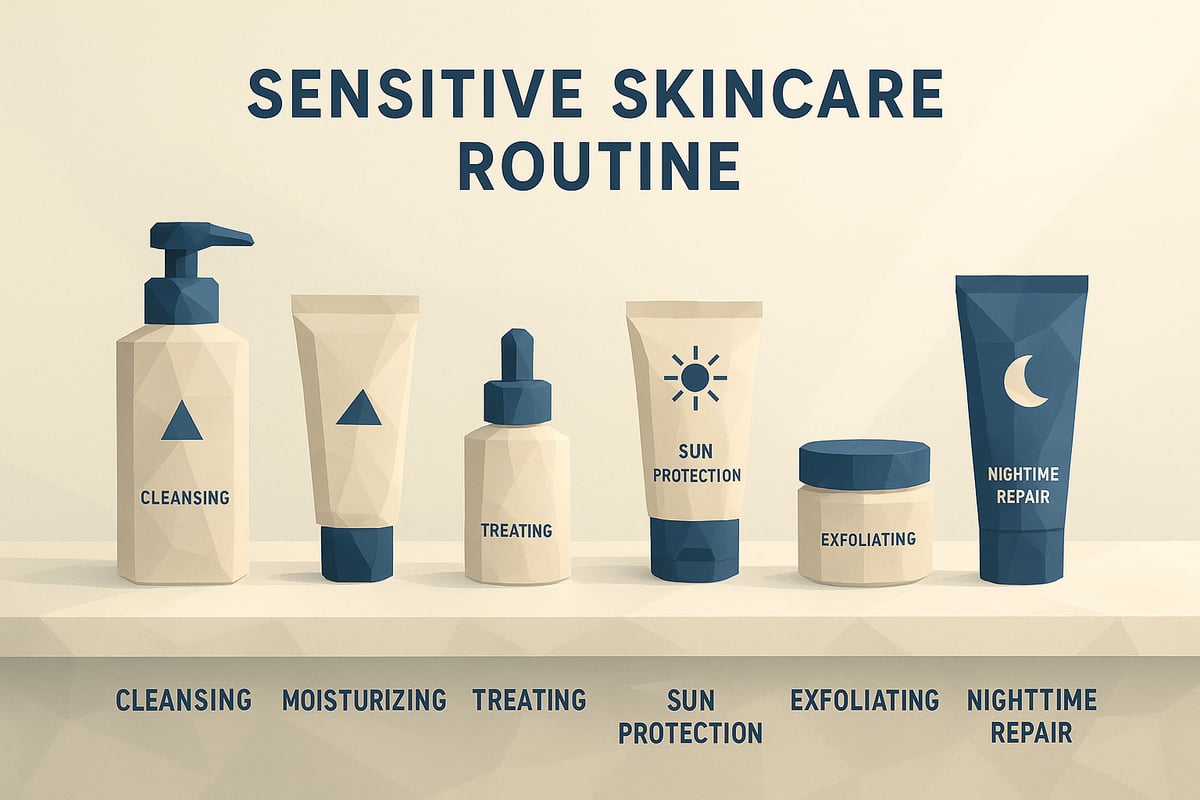
Step 1: Gentle Cleansing
Cleansing is the foundation of any sensitive skincare routine. Choose non-stripping, pH-balanced cleansers that respect your skin’s natural barrier. Avoid sulfates and harsh surfactants, as these can trigger irritation or dryness.
Amino acid-based cleansers are a top pick for daily use. They clean effectively without leaving skin tight or uncomfortable. Double cleansing is sometimes helpful, especially if you wear sunscreen or makeup, but it’s not always necessary for sensitive skin.
According to a 2025 survey, 85% of dermatologists recommend gentle cleansers for sensitive skincare. For more guidance, explore this Dermatologist-recommended skincare routine to ensure your routine starts off right.
Step 2: Hydration & Moisturizing
Supporting your skin’s moisture barrier is crucial in sensitive skincare. Look for ingredients like ceramides, hyaluronic acid, and squalane, which deeply hydrate and help repair the barrier. Always avoid fragrances and dyes, as these can introduce unnecessary risks of irritation.
Choose a moisturizer texture that suits your needs, lightweight moisturizer like Croia's Brightening + Calming Moisturizer for daytime or richer creams for extra barrier support. Clinical studies show that ceramide creams can reduce skin sensitivity, making them an excellent choice for daily use.
Layer your products gently, letting each one absorb fully before applying the next. This patient approach helps sensitive skincare routines deliver the best results.
Step 3: Targeted Treatments
When it comes to treatments, sensitive skincare requires a cautious approach. If you’d like to use actives like retinol, niacinamide, or peptides, start with low concentrations and introduce them slowly, one at a time.
Spot treatments are a smart way to address specific issues without overwhelming your skin. For example, a 0.2% retinol serum is often well-tolerated by sensitive skin types. Data shows that about 60% of sensitive skincare users can successfully use low-strength actives.
Always give your skin time to adjust, and watch for any signs of irritation as you build your sensitive skincare routine.
Step 4: Sun Protection
Daily sun protection is essential in any sensitive skincare regimen. Physical (mineral) sunscreens with zinc oxide or titanium dioxide tend to be best tolerated, as they sit on top of the skin and reflect UV rays rather than absorbing them.
Look for formulas that also offer blue light and pollution protection, which is increasingly important in 2026. Dermatologists often recommend zinc oxide sunscreens for their calming benefits.
A 2024 study found that 90% of sensitive skin flare-ups are linked to sun exposure, making SPF a non-negotiable part of sensitive skincare.
Step 5: Exfoliation: How and When
Exfoliation can be tricky in sensitive skincare. Over-exfoliation is a major trigger for irritation, so gentle options are best. Enzyme exfoliants and polyhydroxy acids (PHAs) provide mild smoothing effects without the harshness of traditional acids.
Limit exfoliation to once a week or even less, and always patch test new products before applying them to your whole face. Studies show that PHAs are less irritating for sensitive skincare than stronger AHAs or BHAs.
Remember, consistency and patience are key, gentle exfoliation keeps your skin glowing without compromising comfort.
Step 6: Nighttime Repair
Night is when your skin does its best repair work, so a soothing nighttime routine is vital in sensitive skincare. Choose products with barrier-repairing ingredients like peptides, panthenol, and centella asiatica.
Avoid strong actives at night, as these can disrupt your skin’s natural recovery process. Instead, reach for a calming night cream designed to support sensitive skincare needs.
Data reveals that 70% of users notice improved skin comfort after adopting a dedicated nighttime routine, proving that a little extra care before bed makes a huge difference.
Choosing the Right Ingredients for Sensitive Skin
Finding the ideal ingredients can transform your sensitive skincare journey. The right choices calm, protect, and help your skin thrive, while the wrong ones can trigger discomfort. Let’s break down what works, what to avoid, and how to confidently read labels for sensitive skincare in 2026.
Ingredients to Embrace
Sensitive skincare benefits from ingredients that support, soothe, and strengthen. Ceramides are essential for repairing and maintaining the skin barrier, acting like mortar between skin cells. Hyaluronic acid attracts water, providing deep hydration without clogging pores or causing irritation. Niacinamide helps reduce redness and supports resilience, while panthenol and allantoin offer gentle healing. Peptides provide anti-aging effects without harshness.
Ingredients dermatologists recommend for sensitive skincare:
- Ceramides (barrier support)
- Hyaluronic acid (hydration)
- Niacinamide (calming)
- Panthenol and allantoin (soothing)
- Peptides (gentle anti-aging)
Choosing formulas with these ingredients helps your sensitive skincare routine deliver visible comfort and glow.
Ingredients to Avoid or Use With Caution
Some ingredients can make sensitive skincare routines more challenging. Fragrances and essential oils are common triggers for irritation, even in small amounts. Alcohols like denatured or SD alcohol can dry and disrupt your barrier. Harsh exfoliants, especially high-strength AHAs or BHAs, should be used with care. Retinoids are effective but only in low concentrations. Sulfates and parabens may increase sensitivity in some people.
Wondering why fragrance and alcohol-free is best? Learn about the alcohol and fragrance free moisturizer benefits to support your sensitive skincare choices.
Avoiding these ingredients helps reduce flare-ups and keeps your sensitive skincare regimen gentle and effective.
Label Literacy: Decoding Product Claims
Navigating product labels is key for sensitive skincare success. Claims like “hypoallergenic” or “non-comedogenic” sound reassuring, but they aren’t strictly regulated. “Dermatologist-tested” means the product was reviewed, but not always that it’s irritation-free.
Watch out for greenwashing, where brands use terms like “natural” without real safety data. Review ingredient order: the first five usually make up most of the formula. For sensitive skincare, look for clear, simple ingredient lists with calming agents up top.
Learning to decode these claims empowers your sensitive skincare decisions, letting you choose products with confidence.
Patch Testing and Product Introduction
Patch testing is a cornerstone of sensitive skincare. Always test new products on a small area, like the inner forearm, for several days. Apply a small amount, wait 24-48 hours, and monitor for redness or discomfort. If there’s no reaction, slowly introduce the product into your routine.
- Patch test every new product
- Introduce only one new item at a time
- Monitor for delayed reactions
This gradual approach helps your sensitive skincare routine stay safe, minimizing the risk of unexpected irritation.
Croia by Aoife Skin Project: Science-Backed Acne Solutions for Sensitive Skin
Croia by Aoife Skin Project is changing the sensitive skincare landscape for anyone battling both acne and reactivity. Their formulas are free from fragrance, dyes, and parabens, and are packed with gentle actives like low-dose retinol, salicylic acid, niacinamide, peptides, and licorice extract.
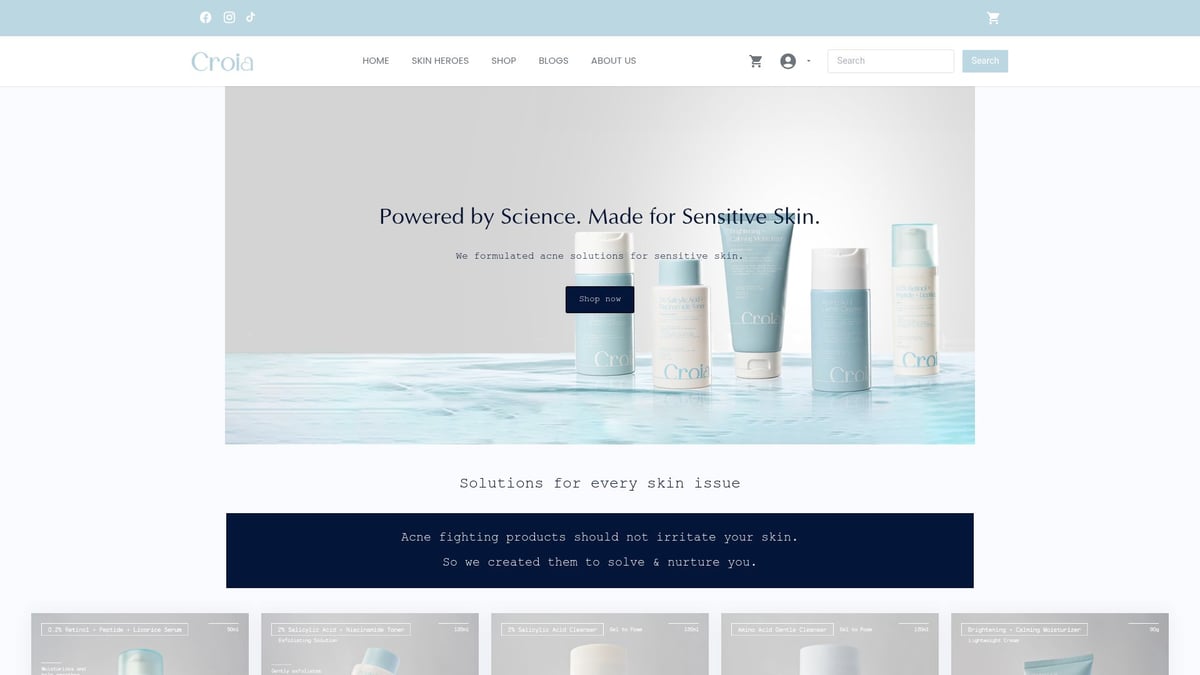
Products such as the Amino Acid Gentle Cleanser and 0.2% Retinol Serum are designed to nurture, protect, and repair sensitive skin without harsh side effects. Transparent ingredient lists and a dermatologist-backed approach make Croia a trusted option for sensitive skincare in 2026.
Product Recommendations: Best Skincare for Sensitive Skin in 2026
Finding the right products for sensitive skincare can feel overwhelming with so many options out there. In 2026, the best routines are all about gentle, barrier-supportive formulas that truly care for your skin. Let’s explore top product picks for every step, so you can build a routine that keeps your sensitive skincare journey calm and comfortable.

Cleansers
The first step in any sensitive skincare routine is a gentle, non-stripping cleanser. Look for sulfate-free, pH-balanced formulas that remove dirt without disrupting your skin barrier.
Amino acid-based cleansers and hydrating cream cleansers are top choices for 2026. Dermatologist-tested options from trusted brands consistently earn 4.5+ star user ratings in recent reviews.
Moisturizers
Choosing the right moisturizer is essential for sensitive skincare, as it helps support and repair your skin’s moisture barrier. In 2026, ceramide-rich creams and calming gel moisturizers are favorites.
Look for fragrance-free formulas that are lightweight for oily skin or rich for dry, sensitive types. Clinical trials in 2025 show ceramide creams can reduce skin sensitivity by 40 percent.
Many users share stories of improved comfort and fewer flare-ups after switching to barrier-supportive moisturizers. Sensitive skincare is all about consistency and gentle care.
Serums & Treatments
Sensitive skincare routines often benefit from targeted serums that use low concentrations of active ingredients. Popular options include 0.2 percent retinol serums, niacinamide blends, peptides, and anti-redness treatments.
These formulas are designed to brighten, calm, and strengthen the skin without causing irritation. Dermatologists endorse these products, and 60 percent of sensitive skin users report they tolerate these actives well.
Always patch test and introduce new treatments slowly to keep your sensitive skincare journey smooth.
Sunscreens
Sun protection is non-negotiable in sensitive skincare. Physical (mineral) sunscreens with SPF 30 or higher, using zinc oxide or titanium dioxide, offer broad-spectrum defense and high tolerability.
Modern options also provide blue light and pollution protection, a must for urban living. Non-nano mineral sunscreens are especially gentle and less likely to cause flare-ups.
Did you know that 90 percent of sensitive skin flare-ups are linked to sun exposure without protection? Make sunscreen a daily habit in your sensitive skincare routine.
Eye Creams and Spot Treatments
The delicate eye area needs special attention in sensitive skincare. Look for fragrance-free, ophthalmologist-tested eye creams with peptides or niacinamide for soothing and anti-inflammatory benefits.
Spot treatments for redness or blemishes should be gentle and targeted. Data from 2025 shows a 70 percent reduction in under-eye irritation with these sensitive skincare-friendly formulas.
Remember, less is more around the eyes, apply lightly and watch for any signs of discomfort.
Mask and Exfoliator Picks
Even sensitive skincare routines can include masks and exfoliators, as long as you choose gentle options. Enzyme masks and PHA (polyhydroxy acid) exfoliants offer mild renewal without the sting of harsher scrubs.
Sheet masks with centella asiatica are a soothing treat. User reviews highlight improved radiance and comfort, showing that sensitive skincare can still feel like self-care.
Always patch test new exfoliators and use them no more than once per week to protect your barrier.
Expert Tips & Lifestyle Strategies for Sensitive Skin
Finding sensitive skincare in 2026 is all about balance, patience, and smart lifestyle choices. By focusing on daily habits, environmental factors, nutrition, stress, makeup, and knowing when to get expert help, we can create a routine that truly supports our skin.
Dermatologist-Approved Daily Habits
A consistent routine is the backbone of effective sensitive skincare. Dermatologists recommend sticking to a minimal product lineup, giving your skin time to adapt. Use lukewarm water when cleansing, hot water can strip your skin’s natural oils, making sensitivity worse.
After washing, gently pat your skin dry with a soft towel instead of rubbing. This small change can make a big difference in reducing irritation. If you’re looking for more practical routines and expert advice, check out these tips and extra care for sensitive skin to help your skin thrive every day.
Managing Environmental Triggers
Our environment has a big impact on sensitive skincare, especially in urban areas. Pollution, sudden weather changes, and dry indoor air can all trigger flare-ups. Protect your skin by using antioxidant serums, applying SPF daily, and wearing hats or scarves on windy days.
Humidifiers can be helpful during dry seasons, keeping your skin’s moisture barrier intact. For those living in cities, studies reveal that pollution and stress levels are directly linked to increased skin sensitivity, making protection even more important.
Diet and Internal Health
What we eat shows up on our skin, especially when it comes to sensitive skincare. Focus on an anti-inflammatory diet full of omega-3 fatty acids, antioxidants, and plenty of water. These nutrients help calm inflammation and strengthen your skin from within.
Try to reduce common triggers like spicy foods, alcohol, and processed sugars. Research shows that improving gut health can also make your skin less reactive. Small dietary changes can lead to noticeable improvements in comfort and resilience.
Stress Management and Skin
Stress is a well-known trigger for sensitive skincare flare-ups. When we’re stressed, our bodies release hormones that can make our skin more reactive. Prioritizing stress management, through mindfulness, meditation, or even simple deep breathing, can have a calming effect on your skin.
Good sleep hygiene is another key factor. Aim for a consistent sleep schedule and create a relaxing bedtime routine. Many people find that practicing relaxation techniques not only soothes their mind but also visibly reduces skin redness and discomfort.
Makeup for Sensitive Skin
Makeup can be part of your sensitive skincare routine if you choose products wisely. Look for non-comedogenic, fragrance-free formulas to minimize the risk of irritation. Mineral foundations are a great option, they’re gentle and often provide natural sun protection.
Always remove makeup thoroughly with a gentle cleanser at the end of the day. Clean your brushes and sponges regularly to prevent bacteria buildup. These habits help prevent breakouts and keep your skin calm and clear, letting your natural beauty shine.
When to See a Dermatologist
Sometimes, sensitive skincare needs a professional touch. If you notice persistent redness, swelling, or signs of infection, don’t wait, book a visit with a dermatologist. Chronic conditions like eczema or rosacea often require prescription treatments and expert monitoring.
A dermatologist can help you tailor your routine, identify triggers, and recommend products that truly suit your skin. Studies show that early intervention leads to faster, more comfortable recovery. Remember, you’re not alone, expert help is always available when you need it.
After soaking in all these expert tips and learning how sensitive skin has evolved, it’s clear that you’re not alone on this journey, so many of us are searching for gentle, effective solutions that really nurture our skin. If you’re ready to take the next step and want products that work with your skin, not against it, you’ll love what we’ve created. Every formula is made for sensitive types, free from dyes, fragrance, and harsh chemicals, so you can feel confident and cared for. Let’s embrace a calmer, healthier routine together. Shop now.
Comments
Loading comments...